If you’re reading this, you probably feel it too. That low-grade hum of anxiety when you open the news. The frustration of watching city council approve another luxury development while rent skyrockets. The helplessness of seeing a neighbor struggle while the system tells them to “pull themselves up by their bootstraps.”
We are told that politics happens in Washington. We are told that change comes from voting every two years and then waiting patiently.
But that is a lie.
Real politics, the kind that actually improves our quality of life, happens on our blocks, in our grocery stores, at our school board meetings, and around our kitchen tables. If we want a world that prioritizes people over profits, we cannot wait for the ruling class to save us. We have to build that world ourselves, right now, in the cracks of the old one.
1. Start a “Buy Nothing” Group (But Make It Political)
You may have heard of Buy Nothing groups on Facebook. They are great for getting rid of old furniture. But let’s take it further.
Instead of just giving away your old winter coat, use these groups to build a community inventory. Post an offer not just for stuff, but for skills. “I can fix your bike chain.” “I can watch your kid for two hours so you can go to a job interview.” “I can help you file for rental assistance.”
This matters because it decouples our survival from the capitalist marketplace. When we share resources, we weaken the grip of scarcity. We remind ourselves that we have everything we need if we just share it equitably.
2. Adopt a “Radical Reading” Group (With a Local Focus)
Form a “Current Events Council” with 3 to 5 neighbors. Once a week, read your local newspaper (not the national cable news). Look at the city budget. Look at who is running for zoning board. Look at which landlords are getting tax breaks.
Then, ask the hard questions: Who benefits from this decision? Who gets hurt? How can we show up to the next city council meeting to disrupt this?
Education isn’t just about knowing the facts; it’s about knowing who to call and when to show up.
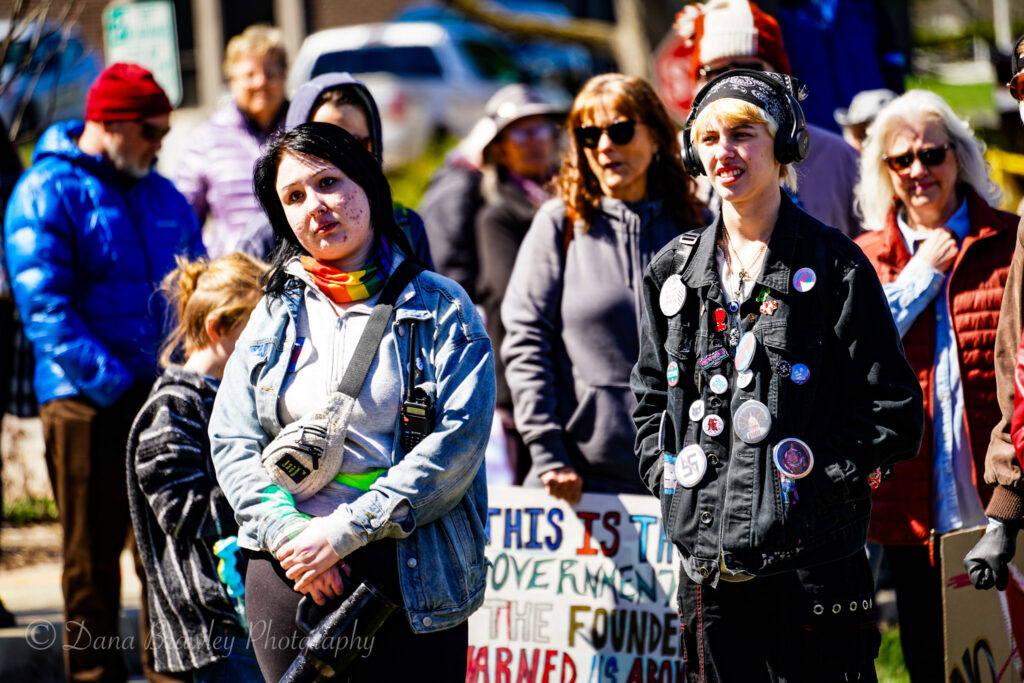
3. The “Neighbor Check-In” Route
During the pandemic, we learned that the government wasn’t coming to save us. It was the neighbors who brought groceries to the elderly and checked on the immunocompromised.
Make this permanent. Pick a Saturday. Walk your block. Knock on doors (or leave flyers) that say: “We are your neighbors. If you need help shoveling snow, carrying trash, or just need someone to talk to, here is my number. If you have skills to offer, reply back.”
This isn’t charity. Charity is top-down. This is mutual aid. It is horizontal. It recognizes that we are all vulnerable and all capable. When Mrs. Johnson down the street knows she can call you when her Social Security check is late, you have just created a safety net that the state refuses to provide.
4. Show Up to the “Boring” Meetings
I know. City council meetings are dry. Zoning hearings are sleep-inducing. School board meetings can be filled with hysterical culture-war soundbites.
But here is the secret: That is where the money goes.
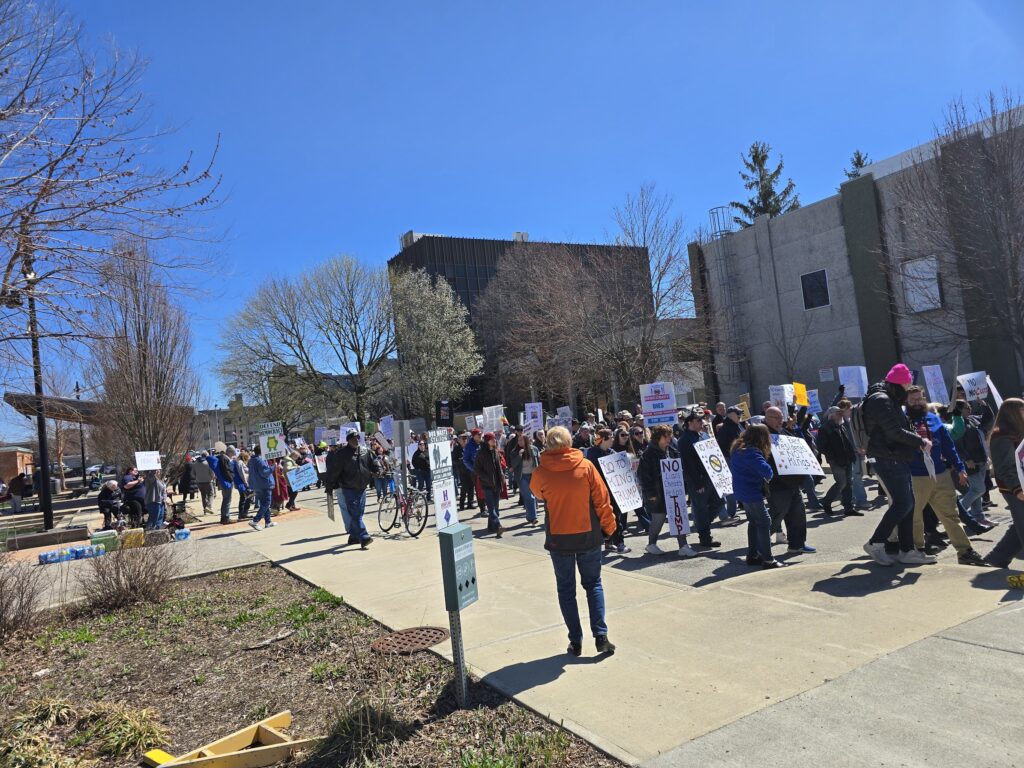
Developers show up to those meetings. Landlords show up. Corporate lobbyists show up. They sit in those hard plastic chairs because they know that decisions about affordable housing, school funding, and police budgets are made in those rooms.
We need to outnumber them. We don’t need to be policy experts; we need to be bodies. We need to be the people who stand up during public comment and say, “I live here, and I don’t want another luxury condo. I want a community land trust.”
5. Create a “Community Fridge” or Free Pantry
This is one of the most visible and beautiful forms of leftist action. Find a local business or a neighbor with a covered porch. Put a stocked fridge or a wooden box out front. Paint it: “Take what you need, leave what you can.”
Stock it with fresh produce, diapers, menstrual products, and canned goods. This is a direct challenge to food insecurity, which is a policy choice, not an inevitability. It also creates a “third space”; a place where neighbors run into each other, talk, and organize.
The Bottom Line: We Are The Government
The leftist viewpoint isn’t about waiting for a savior. It’s about recognizing that the system is designed to isolate us so we don’t realize our collective power.
Getting active isn’t about burning yourself out with performative activism. It’s about showing up consistently, locally, and with love.
Pick one thing from this list. Do it this week. Don’t worry about doing it perfectly. Just start.
Because when we organize, we shift the power. When we educate ourselves on local issues, we strip the veil off of corruption. And when we help our neighbors, we prove that another world isn’t just possible; it’s already beginning.
Let’s talk in the comments: What is one local issue in your neighborhood that you are fired up about? How can we support you in organizing around it?
Leave a Reply